

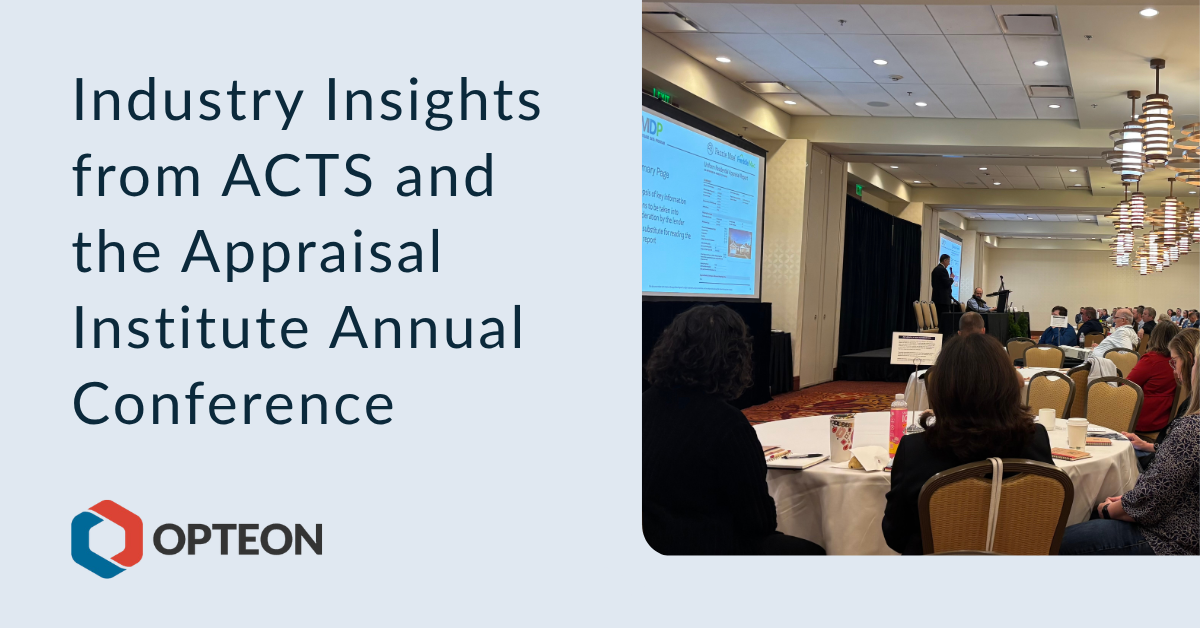
Over the past few weeks, the Opteon team had the opportunity to connect with appraisers, lenders, and technology partners at two important industry events: the ACTS Conference and the Appraisal Institute’s Annual Conference.
From UAD 3.6 to generative AI, one theme was clear across both events. Our industry is in a period of meaningful transformation, and collaboration is helping move it forward.
A Turning Point for UAD 3.6
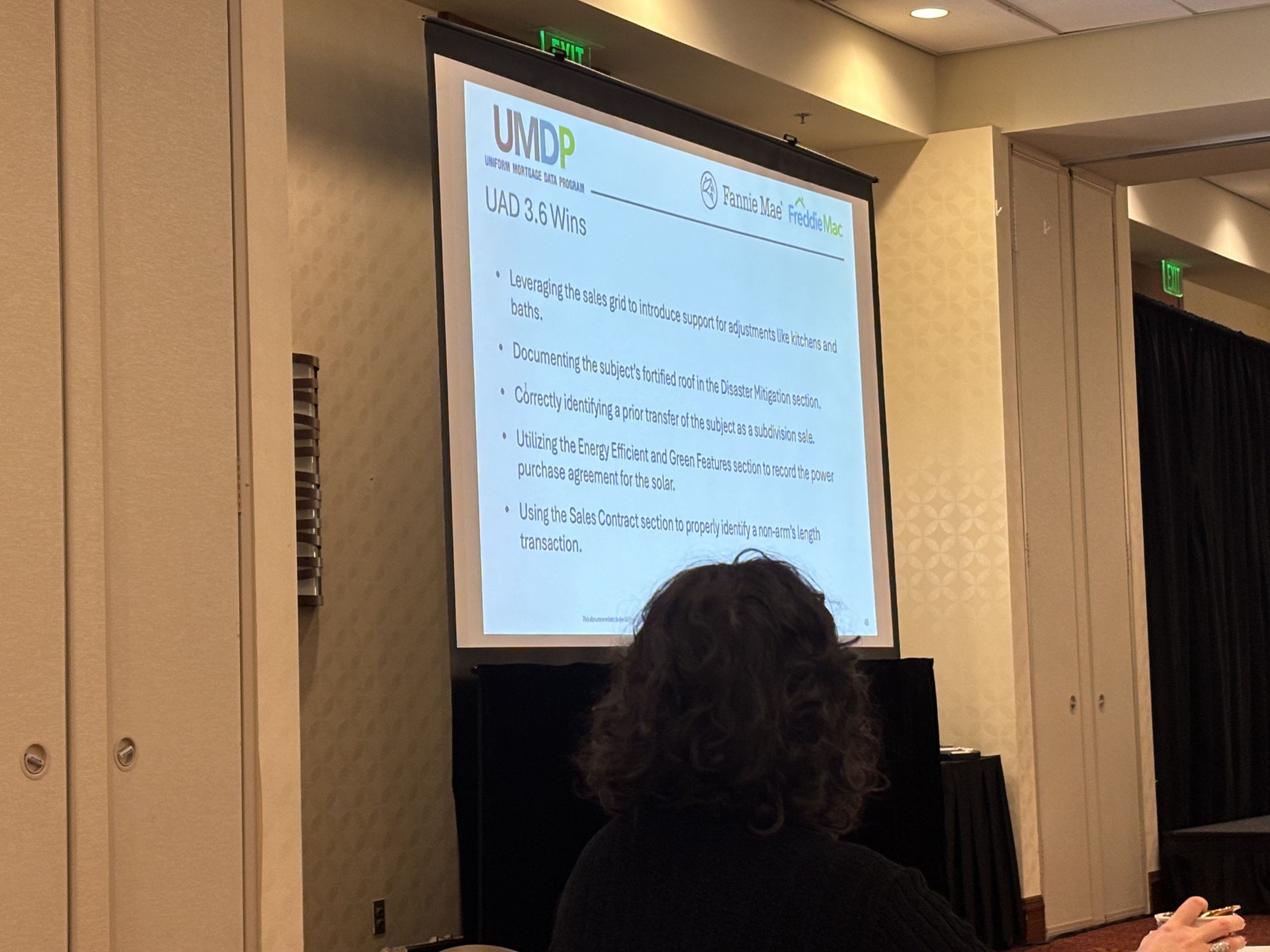
At ACTS, much of the discussion centered on UAD 3.6 and what implementation looks like in practice.
The focus of the conference moved from “What is UAD 3.6?” to “What lessons are being learned and how are we practically transitioning ahead of the mandate.”
From Opteon’s perspective, one of the biggest lessons has been the importance of hands-on production testing well ahead of the mandate. Running real orders through UAD 3.6 workflows across different property types and appraiser profiles has helped us surface areas where training, tooling, and expectations need to evolve. That practical testing has been critical in separating theory from execution.
This shift in lessons learned ahead of the mandate showed up in sessions, demos, and one-on-one conversations throughout the ACTS event. Presentations by Fannie Mae and Freddie Mac added clarity around the intent behind the changes. It’s clear the goal is to move beyond the constraints of legacy forms and support a more flexible, data-driven reporting process.
“Fannie and Freddie highlighted the difference between data collection and analysis, explaining that the appraiser is the analyst, while viewing property characteristics constitutes data collection,” Chris Ridgeway, Western Regional Manager, said when walking the Opteon team through key themes following the event.
For lenders and brokers, this distinction matters. It signals how the appraisal process may evolve, with technology improving consistency and structure while preserving professional judgment where it matters most.
Growing Interest in Appraiser-Focused Technology and AI
There was lots of engagement around software at ACTS, particularly tools designed for appraisers navigating both current workflows and what comes next. Jaro was newly introduced to attendees who hadn’t tried it before, which led to a high level of curiosity and hands-on exploration of the tool. The Jaro team hosted live demos and gave appraisers the chance to test features in real time.
William Salus, VP of Product Management and Tech Innovation, noted there was significant interest in the JaroInspect app, especially its LiDAR capabilities, support for UAD 3.6, and use of AI.

As the industry transitions to a UAD 3.6 environment, appraisers are seeking technology that delivers real efficiency while preserving professional judgment. One recurring theme was the importance of being able to review and refine LiDAR‑generated floorplans because control over the final analysis directly impacts report quality. UAD 3.6 presents a meaningful opportunity to better support appraisers, but adoption will depend on confidence in the underlying data, the analytics supporting valuation conclusions, and the compliant integration of AI within the appraisal workflow.
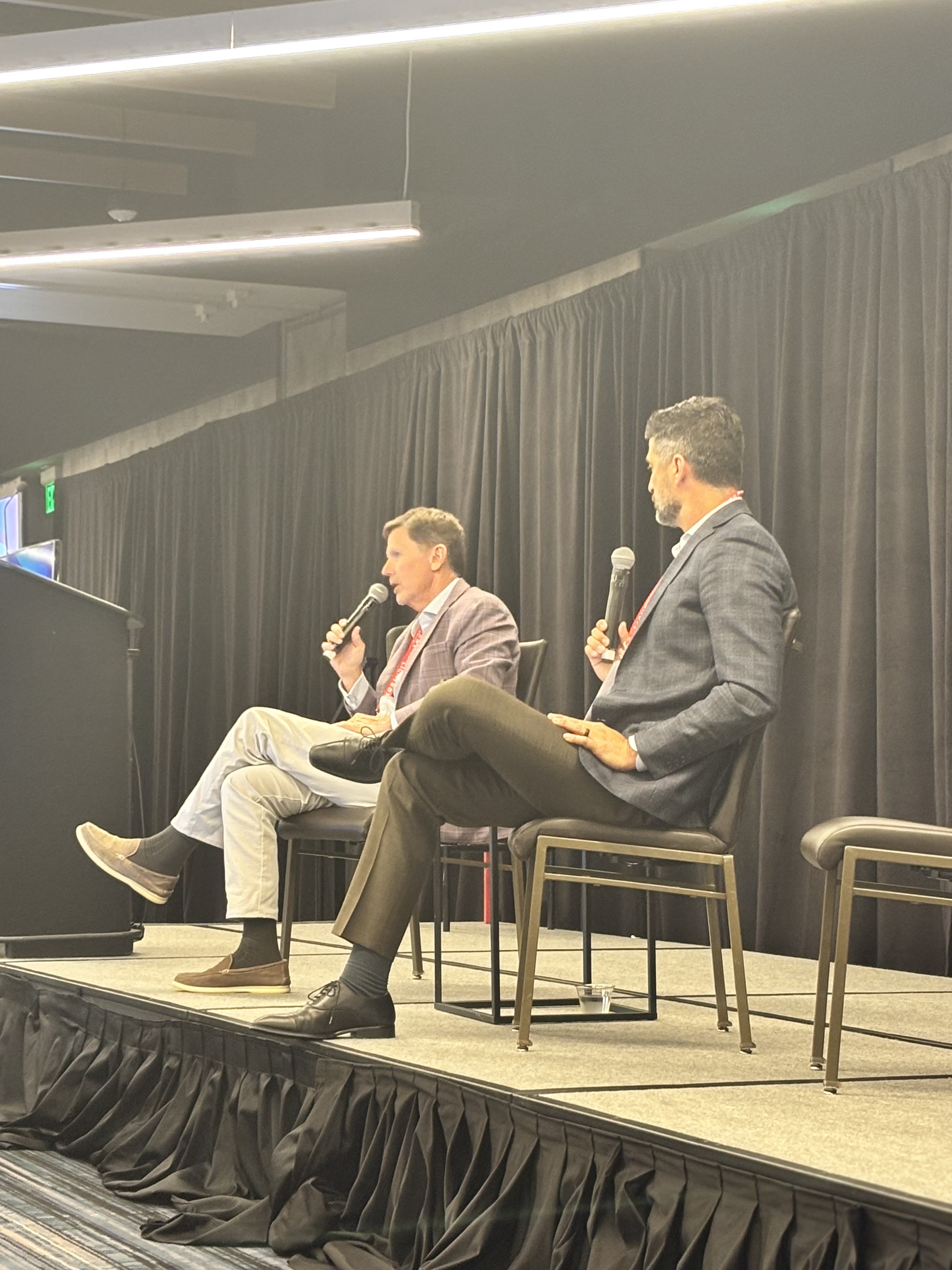
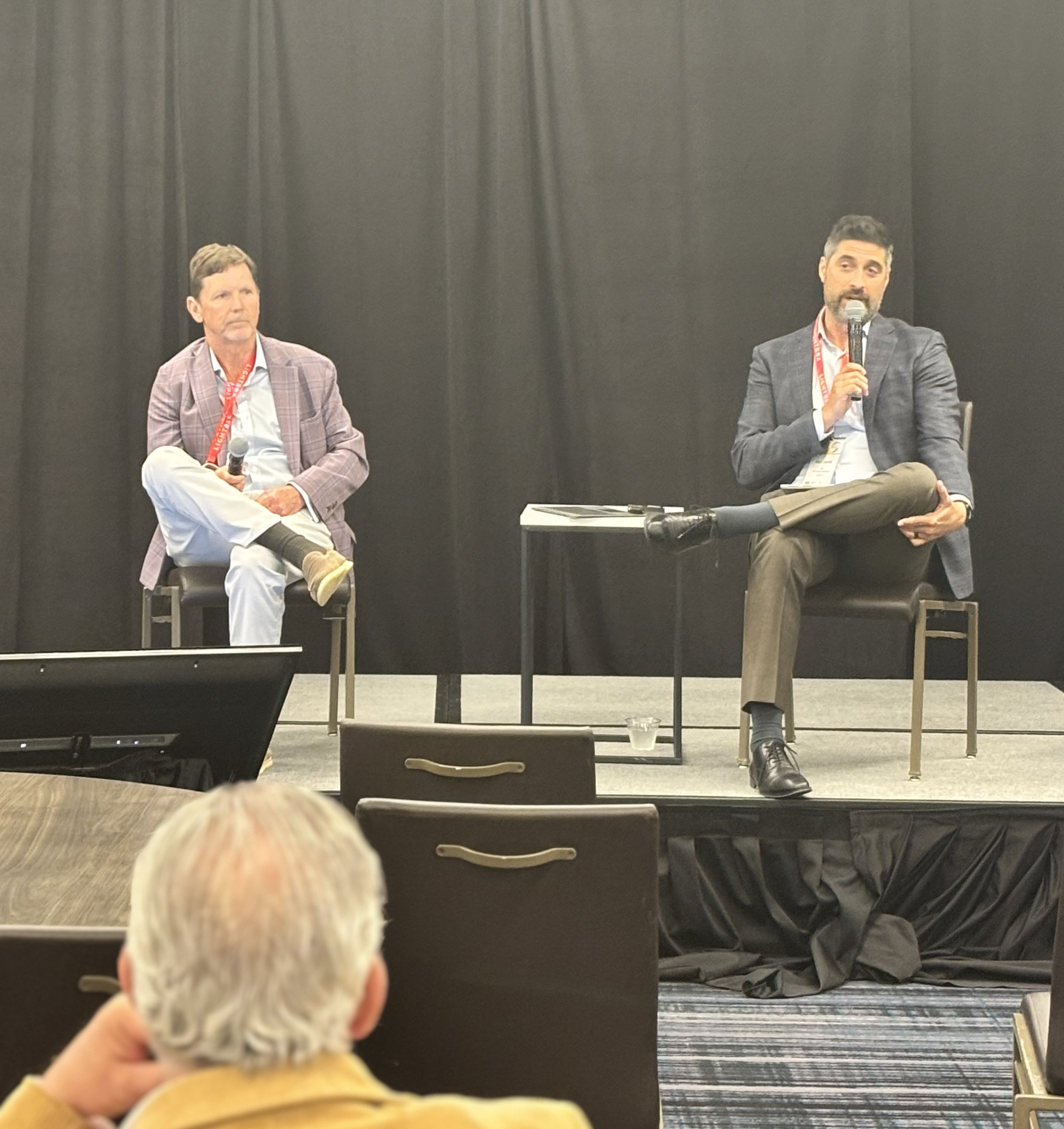
These conversations around technology and AI carried through to the Appraisal Institute’s Annual Conference, where Opteon Managing Director Lee Trice presented a session titled GenAI in the Report: Meeting End-User Expectations with Clarity and Compliance. The session focused on how generative AI is being introduced into appraisal workflows, along with expectations around disclosure and appropriate use.
Together, these discussions highlighted a shared priority across the industry. Technology should support the appraiser, improve clarity for end users, and be implemented in a way that aligns with compliance expectations.
There was also a broader acknowledgment at ACTS that the market is still catching up to where it needs to be for UAD 3.6.
“What we heard consistently is that the market is still in transition. Not all software platforms are production-ready for UAD 3.6 at scale yet, which creates real challenges, but also an opportunity for solutions that have been tested in live environments and designed around how appraisers actually work,” Will said.
For lenders, this creates an important consideration when evaluating partners and workflows. The tools appraisers use will directly influence speed, consistency, and the ability to meet evolving requirements.
Industry Engagement and Shared Learning
Beyond sessions and demos, ACTS created space for meaningful conversations across the ecosystem. The Opteon team connected with appraisers, compliance professionals, GSE representatives, and technology providers.
“We had great conversations with others in the industry and it’s clear everyone is preparing for what’s next,” Chris said.
There was also an encouraging focus on bringing new appraisers into the profession, including dedicated programming for trainees like Opteon’s Cadet Appraiser Program. Continued investment in the workforce will play a role in how the industry adapts over time.
Why This Work Matters
Events like these give us the opportunity to listen and learn directly from the people doing the work every day.
For Opteon, being present means staying closely connected to how the industry is changing and where there are opportunities to improve the experience for our customers and partners.
It also gives us the chance to share what we are building and gather real feedback that helps shape what comes next.
Looking Ahead
There is clear momentum across the industry. UAD 3.6, AI, and new technology are actively shaping how appraisal work is completed and reviewed.
We are grateful to be part of these conversations and to continue learning alongside our peers.
Explore our UAD 3.6 Knowledge Hub to stay informed on what these changes mean for your business.

.png?width=800&name=From%20Hours%20to%20Minutes%20How%20LIDAR%20Technology%20Is%20Revolutionizing%20Real%20Property%20Appraisals%20(1).png)


-1.jpg?width=800&name=compressed_MicrosoftTeams-image%20(23)-1.jpg)



.jpg?width=800&name=Welcome%20CTO%201%20(1).jpg)