


What tenants and valuers are looking for in 2026: A Guide for New Zealand High‑Street Retail Owners and Investors
In New Zealand’s retail market, performance is increasingly determined at the individual property level.
Two neighbouring shops can have very different leasing outcomes: one consistently occupied, and the other persistently vacant. The difference is rarely macroeconomic. Instead, it comes down to a handful of asset‑specific characteristics that materially influence tenant demand, turnover risk and value.
"The standout retail properties are the ones that minimise friction for tenants," says Ben Roberts, Associate Director - Valuation Delivery. "Assets that are easy to access, easy to see and easy to re-let consistently present lower risk and more stable long-term outcomes."
For owners and lenders focused on small‑format retail, strip shops and high‑street assets, understanding these drivers is critical.
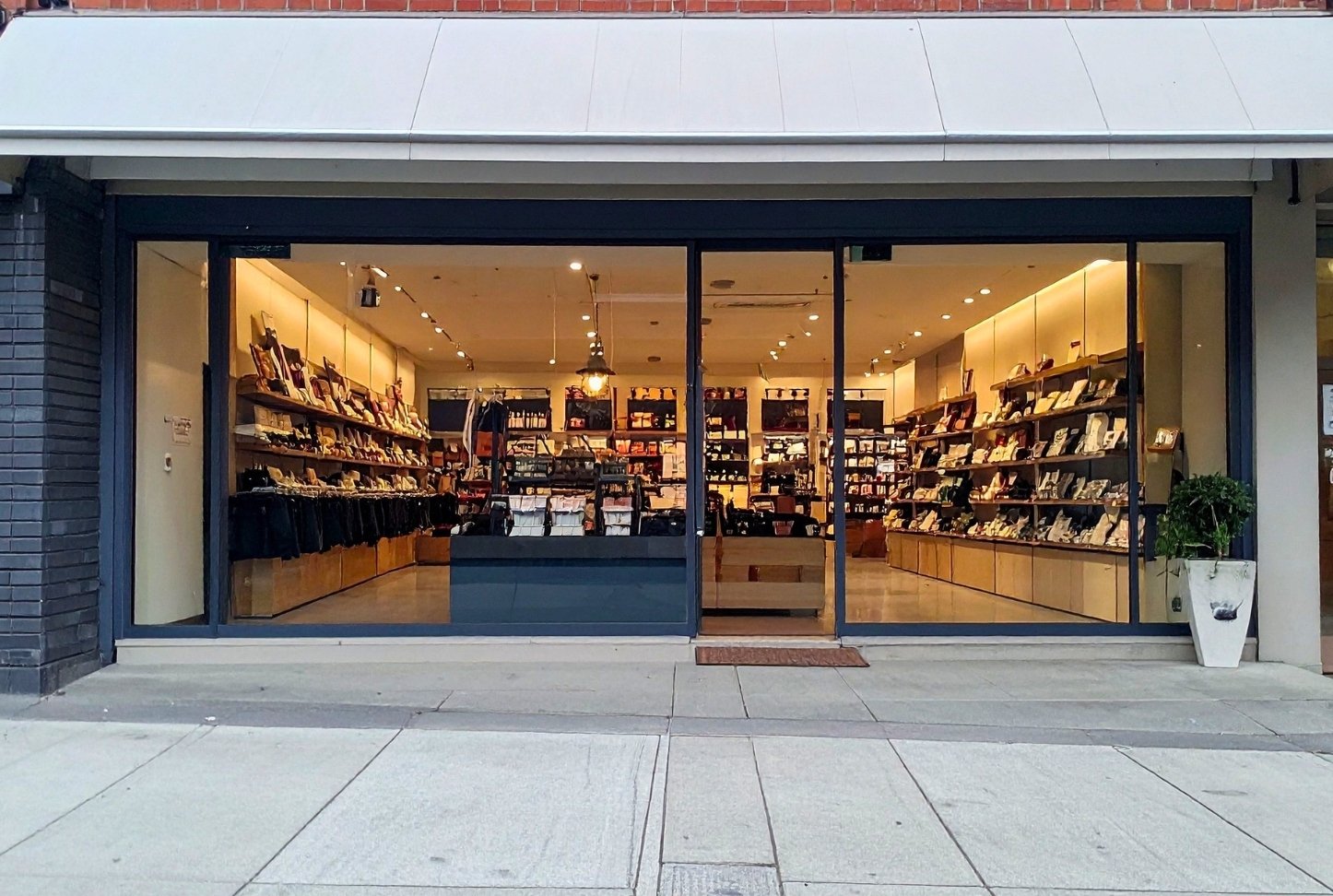
1. Frontage and visibility are still the primary value driver
Street visibility remains the most consistently rewarded feature in high‑street retail.
Place‑based research and leasing analysis across Auckland and Christchurch show that retailers strongly prioritise:
-
Wide, uninterrupted glazing
-
Direct line‑of‑sight from footpaths and crossings
-
Locations that can be identified within one to two seconds by passing pedestrians
Data from Heart of the City (Auckland) shows pedestrian movement is heavily concentrated within defined retail spines, with a sharp drop‑off in side streets even short distances away.
|
VALUATION PERSPECTIVE Poor frontage rarely reduces rent alone, rather, it increases leasing risk. Valuers reflect this through higher vacancy assumptions and weaker income durability, which directly affects capital value. |
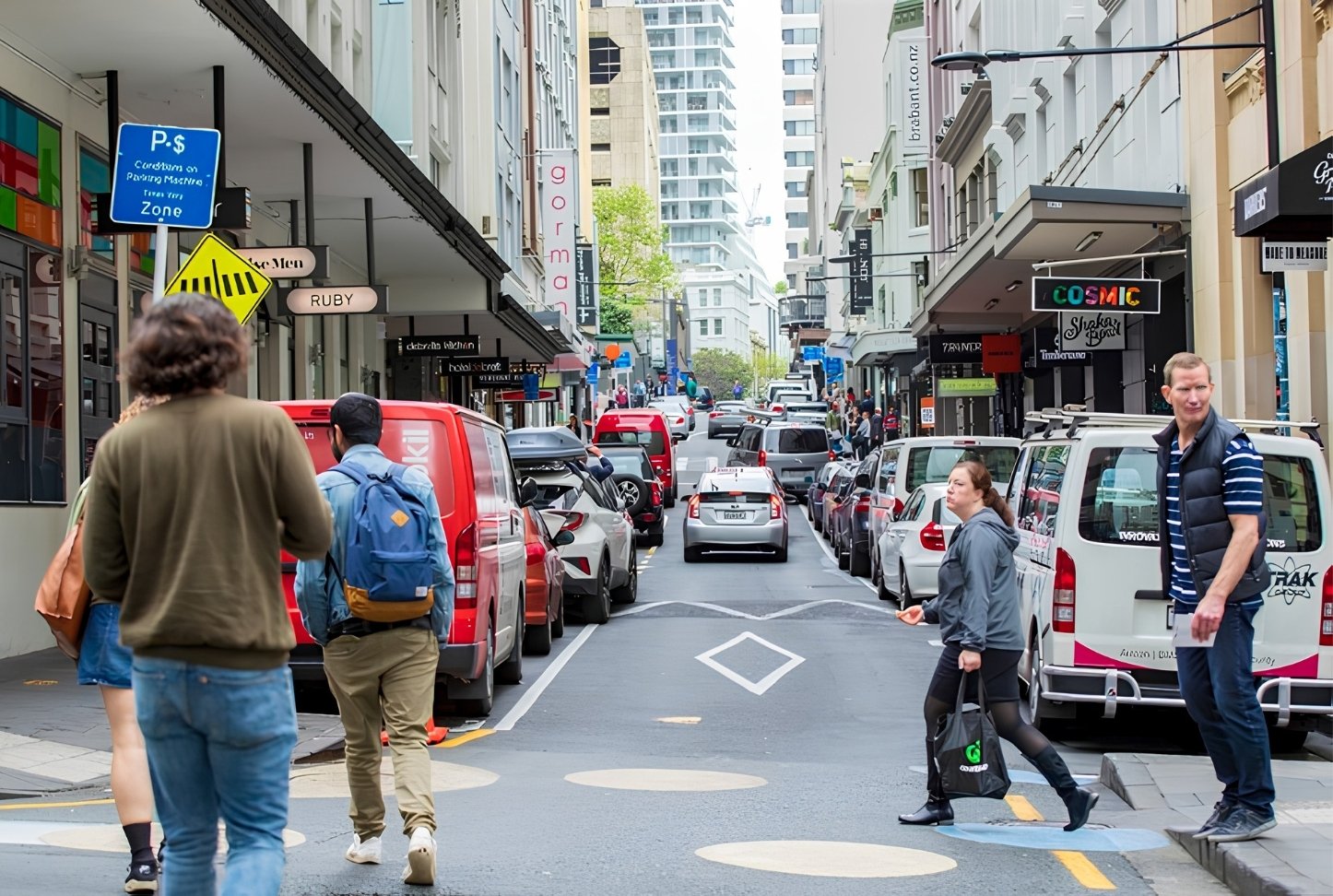
2. Foot traffic patterns: concentration beats coverage
Foot traffic matters, but where and how it moves matters more than head counts.
Research tracking pedestrian movement in CBD environments indicates that:
-
Retail spend clusters around transport nodes, major intersections and retail landmarks
-
Secondary streets often underperform despite reasonable absolute footfall numbers
-
Tenants increasingly prefer predictable daily flows, not event‑based spikes
This pattern is reinforced in regional centres, where foot traffic pools tightly around supermarkets, hospitality clusters and service hubs.
|
VALUATION PERSPECTIVE Retail premises outside dominant pedestrian corridors often suffer longer vacancy periods, even where rents appear competitive. |

3. Accessibility and parking: decisive outside core CBDs
While central city retail can rely heavily on pedestrian movement, most suburban and regional retail remains destination‑driven.
Retail performance summaries from regional market monitoring highlight that:
-
Convenience retail (food, health, services) consistently outperforms discretionary retail where parking is available
-
Short‑stay, visible parking directly outside premises materially improves tenant retention
-
Easy access is particularly critical for medical, pharmacy and quick‑service operators
-
In addition, national and government‑linked tenants assess accessibility against NZS 4121 standards, making compliant access and parking a leasing advantage.
|
VALUATION PERSPECTIVE Poor access or parking constraints tend to translate into shorter lease terms and higher churn, even where demand exists. |
4. The anchor effect beyond shopping centres
Anchor tenants are not confined to malls. On high streets and suburban strips, supermarkets, pharmacies, gyms, hospitality flagships and banks frequently act as foot‑traffic anchors, supporting surrounding retail performance.
Neutral retail research and leasing outcomes consistently show that:
-
Smaller retailers actively seek adjacency to daily‑needs anchors
-
Properties near anchors experience stronger enquiry and faster lettings
-
Anchor loss often leads to immediate leasing weakness in surrounding tenancies
|
VALUATION PERSPECTIVE Strip retail anchored by supermarkets or medical clusters in suburban Auckland and regional New Zealand towns has demonstrated materially lower vacancy rates than discretionary-only strips since 2022. |
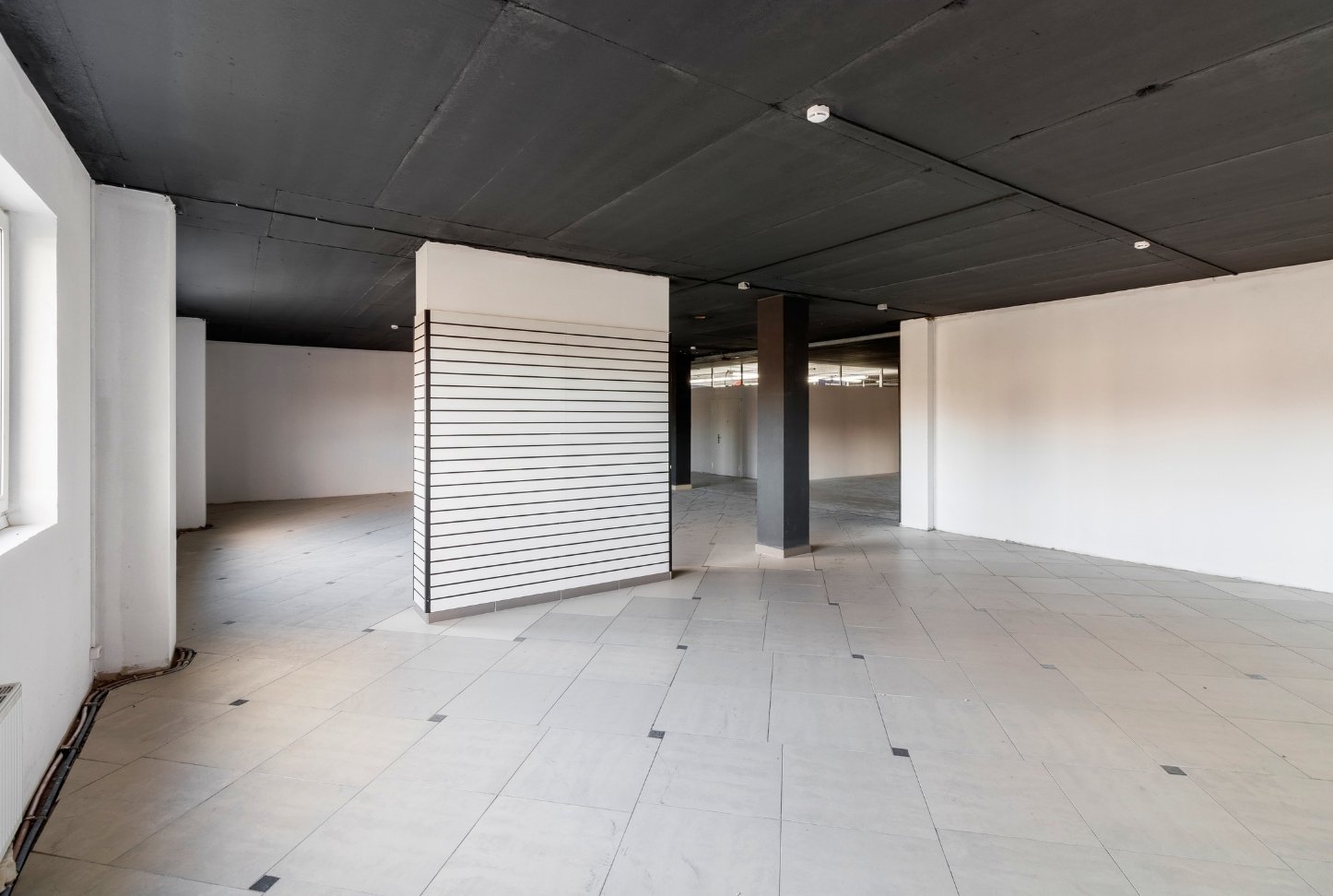
5. Fit‑out flexibility and re‑letting speed
Retail assets are now assessed as much on how quickly they can be re‑tenanted as on headline rent.
Neutral retail market reporting highlights increasing tenant focus on:
-
Speed to open
-
Cost control
-
Ability to adapt space for multiple uses
Properties with simple structural grids, minimal columns and adaptable services consistently outperform bespoke formats when tenants change.
|
VALUATION PERSPECTIVE Fast turnover between tenants reduces income leakage and protects effective yield, particularly important for lenders assessing downside risk. |
How valuers assess retail quality
From a valuation perspective, higher‑performing retail assets typically meet most of the following criteria:
-
Strong, visible frontage on a primary route
-
Position within a recognised pedestrian or vehicle movement corridor
-
Convenient customer access and short‑stay parking
-
Proximity to daily‑needs or service anchors
-
Fit‑out that can be re‑let quickly with limited capital spend
Where multiple boxes are unchecked, valuers typically reflect higher risk through conservative income and vacancy assumptions.
What this means for you
“From an investment and lending perspective, standout retail properties are the ones that minimise friction for tenants,” says Ben Roberts.
“Assets that are easy to access, easy to see and easy to re‑let consistently present lower risk and more stable long‑term outcomes.”
For owners, investors and lenders, these fundamentals matter more than any broader narrative.