


.jpg?width=2000&name=Residential%20ROI%20tips%20article%20header%20(1).jpg)
Matthew Jobson
State Director, QLD
There are plenty of articles about how to improve return on investment (ROI) for residential properties. Unfortunately, most of them are overly simplistic and don’t consider the type of property owner, the type of property, potential buyers, market variations and risks.
1. Decide what type of property owner you are
Before you spend money on your property, it’s worth reflecting on what type of property owner you are.
For example, if you’re planning to sell in the short-term, spending relatively low amounts on simple, cosmetic improvements is an approach that’s likely to pay you back. It can be a good idea to talk to local real estate agents to get their thoughts about the improvements that are likely to raise the open market price for your property and those that are not worth the cost to you.
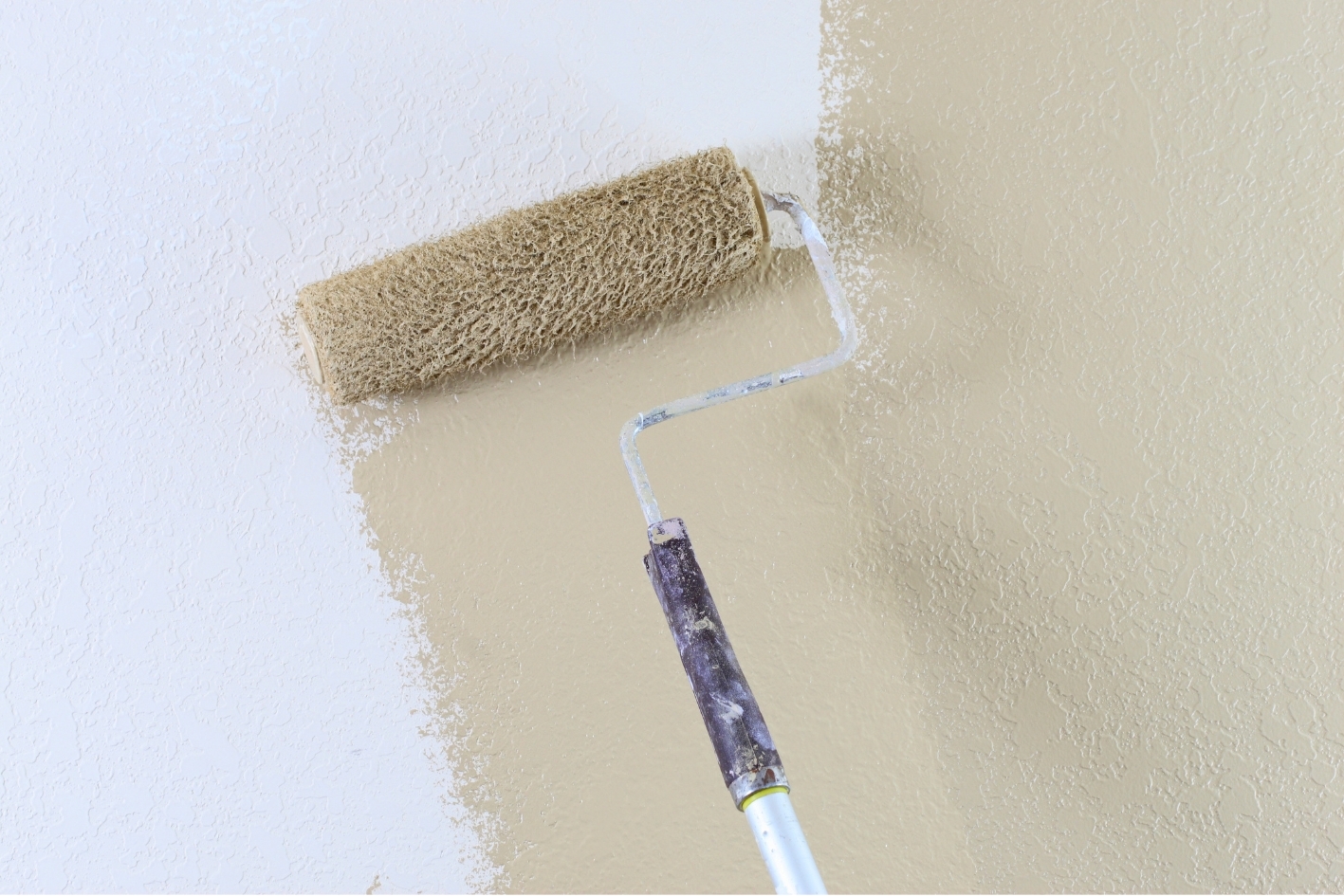
I completely agree with Scott Cam’s assessment on the best $500 you can spend on a reno, as he said: ‘A coat of paint. It’s simple, effective and can instantly refresh tired spaces.’ Another great suggestion is to change-up cosmetic features like light fittings, tapware and cupboard handles, which can instantly modernise a space.
If you are a mid-long term investor, you’re likely to hold a property through a typical market cycle. For that reason, and to attract higher rents and quality tenants, it may be worth contemplating spending money on more significant property improvements and maintenance activities. Typically, kitchen and bathroom upgrades are the best place to start.
If you’ve bought a residential property to live in as your home for 10 or more years, your investment decisions are unlikely to be purely financial in nature. For that reason, spending money on lifestyle improvements may be your priority. In turn, those improvements may add to the property’s lifestyle value for the next buyer over the longer-term. For example, landscaping and outdoor areas that can provide extended living and entertaining spaces are generally well-received by the market.
2. Consider who the next buyer of your property will be and what they’re looking for
Before making any property improvement investments, it can be worth considering the value and appeal of those improvements for a likely purchaser for your property in the short, medium and long-term.
For example, if a family is likely to buy the property to live in it may be beneficial to spend money on renovations that improve the layout, liveability and lifestyle of the home and the appeal of key rooms such as kitchens and bathrooms. When thinking about this, however, it’s important to weigh-up the ROI before entering into a building contract. It can be worth inviting real estate agents to your property for their views on market trends.
Investors are often attracted to low maintenance properties that attract reliable tenants and good rental returns. With this in mind, it may make sense to spend money on maintenance and lower value improvements that add to the appeal of the property without over-capitalising it. For example, many tenants look for air-conditioning, dishwashers, safety and security features, and ample storage. Landlords find value in low maintenance yards, hard-wearing flooring and mid-level fixtures.
Developers and some home buyers will look for ‘doer-uppers’ to keep the cost of the market price low. If your property falls into that bracket, it can often be more sensible just to clean, declutter and tidy the property, rather than to invest in significant improvements.
For example, in the Gold Coast, an unrenovated 1960s beach cottage where highest and best use is knock-down and rebuild will provide a poor ROI on any money spent upgrading the property
3. Understand what adds value in your market
Another thing to consider is the types of property improvements that add value in your market.
For example, buyers in regional Queensland, probably consider ceiling fans a must-have, whereas buyers in regional Tasmania probably don’t. Similarly, pools add value to family homes in Brisbane whereas they can be seen as liabilities in Melbourne.
4. When it comes to ROI investments, tackle the ‘no-brainers’ and weigh up the rest
For most residential properties, these are the ‘no-brainers’ that don’t cost much but can help drive up your property’s price on the open market:
-
Declutter – it’s amazing the appeal difference this can make for potential buyers who are thinking about how their own things will fit into your property.
-
Style – if the value of the property warrants it, investing in a professional stylist can deliver a strong ROI. For other properties, you don’t have to spend a lot to make simple style changes, like displaying new towels and fancy soap.
-
Clean – whether it’s a professional job, or your own effort, cleaning makes a big difference to the appeal of any property. Things to consider include window cleaning and pressure washing paths and driveways.
-
Garden – a nicely presented garden adds street and liveability appeal for residential properties. Simple things like weeding, trimming and planting for colour can make a big difference to the property’s appeal without costing a lot.
-
Fix – unless your property is squarely in the ‘doer-upper’ category, it’s usually worth making minor cosmetic repairs before selling, such as fixing hanging gutters or gates, and freshening up bathroom grouting.
-1.jpg?width=1417&height=945&name=stock%20images%20%20Prestige%20(1)-1.jpg)
Depending on your market, and the value of the property, it can also be worth investing in improvements that cost a little more before you sell, such as:
-
Paint – inside and out, typically in neutral colours.
-
Polish – if you have timber floors, a quick sand and polish will make them pop. Similarly, it can be worth investing in new carpet if the old carpet is worn or damaged.
-
Position – add to your property’s street appeal with garden lighting and new letter box and house numbers.
-
Primp – consider updating lighting, window furnishings, new tapware, kitchen cupboards, vanities and toilets to make key rooms feel more contemporary.
If you’re planning to hold the property for the mid-long term, and depending on your market and the property value, it can also be worth considering more significant investments that you can both enjoy while you live there and that will pay you back over time, such as:
-
kitchen renovations
-
bathroom renovations
-
extensions that include additional bedrooms or larger living areas
-
landscaping
-
new flooring
-
outdoor entertaining areas
-
solar panels and batteries
-
granny flats
5. Avoid common risks
One of the biggest risks with investing in a residential property to generate a good ROI is over-capitalising. To avoid this, it’s important to understand what your property is worth, what the market values, the local demographic, what improvements are going to cost, how long they will take, and how long you plan to hold the property. For example, it is unlikely to be financially feasible to invest in a high-end kitchen, bathroom upgrade or landscaping in a suburban area characterised by high mortgages and low incomes, or in regions where properties take 12-18 months to sell.
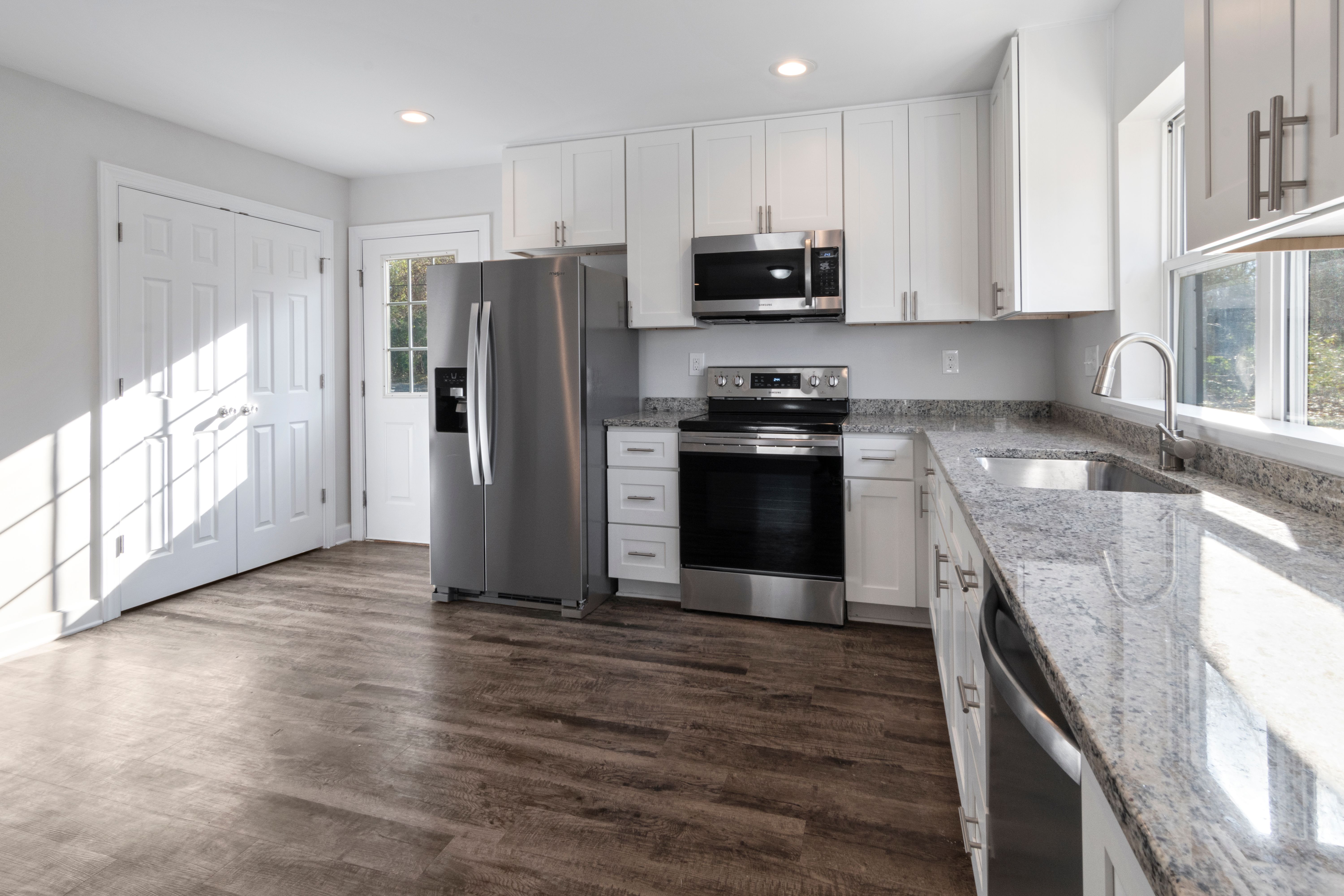 A high-end kitchen adds value in some markets and over-capitalises in others.
There are also properties that have been renovated to suit the owner without considering the appeal of those changes for the next owner. While that is fine if it is a lifestyle decision, it’s still important to understand the financial implications of those choices.
For example, a house in Cairns that had 7 bedrooms, 3 bathrooms and one living space suited the family that built it. However, when they came to sell the owner found it had limited appeal because of the ratio of bedrooms to living space.
The best improvements will always be ones that consider broad market appeal.
 Matthew Jobson
State Director - QLD
matthew.jobson@opteonsolutions.com
0457 456 355 
References
Commbank. 2025. Scott Cam's five golden rules for smarter renovating
DISCLAIMER
This article is produced by Opteon Property Group Pty Ltd. It is intended to provide general information in summary form on valuation related topics, current at the time of first publication. The contents do not constitute advice and should not be relied upon as such. Formal advice should be sought in particular matters. Opteon’s valuers are qualified, experienced and certified to provide market value valuations of your property. Opteon does not provide accounting, specialist tax or financial advice.
Liability limited by a scheme approved under Professional Standards.