


Author: Gabriel Carreno, Nicole Bevilacqua and Ryan Danaher
The process for providing credible valuations for unique or irregularly traded properties requires valuation expertise, deep local knowledge, and adaptability within the Australian Property Institute and RICS frameworks.
Opteon’s rigorous valuation approach for unique properties features an evidence hierarchy, guidelines on relative geographies, and processes for normalising and adjusting values within the professional guidelines.
In the specialist asset space, depending on the nature of the asset, we also consider factors such as income capitalisation, price to revenue ratios, and direct comparisons.
We provide three case studies to shine a light on this process for lenders, developers and owners.
Prestige Residential Property

Prestige trophy assets are typically characterised by their rarity and unique attributes, often resulting in limited or no transactional activity. In such cases, valuation requires a broader analysis of the prestige market, with greater emphasis placed on location, land value, views, and the scarcity of comparable opportunities.
Where a property has achieved a record sale price within a suburb, or where no higher-value sales exist for direct comparison, a broader approach to sales analysis is required to develop an informed opinion of market value. This may involve considering comparable properties in adjoining prestige locations and reviewing older transactions where they provide more relevant comparability than recent sales.
Under the market approach, the assessment of market value is based on analysed metrics derived from observable market transactions. These metrics allow valuers to standardise and interpret sales evidence, enabling meaningful comparisons between properties.
By applying consistent metrics, valuers can identify value benchmarks, analyse market trends, and make appropriate adjustments for differences between the subject property and comparable sales.
The selection of the appropriate metric depends on the property type, its highest and best use, and the way market participants assess value. For prestige residential properties, analysis is commonly based on $/sqm of land area (improved land rate), whereas apartments are typically assessed using $/sqm of internal living area.
Rural Lifestyle Properties
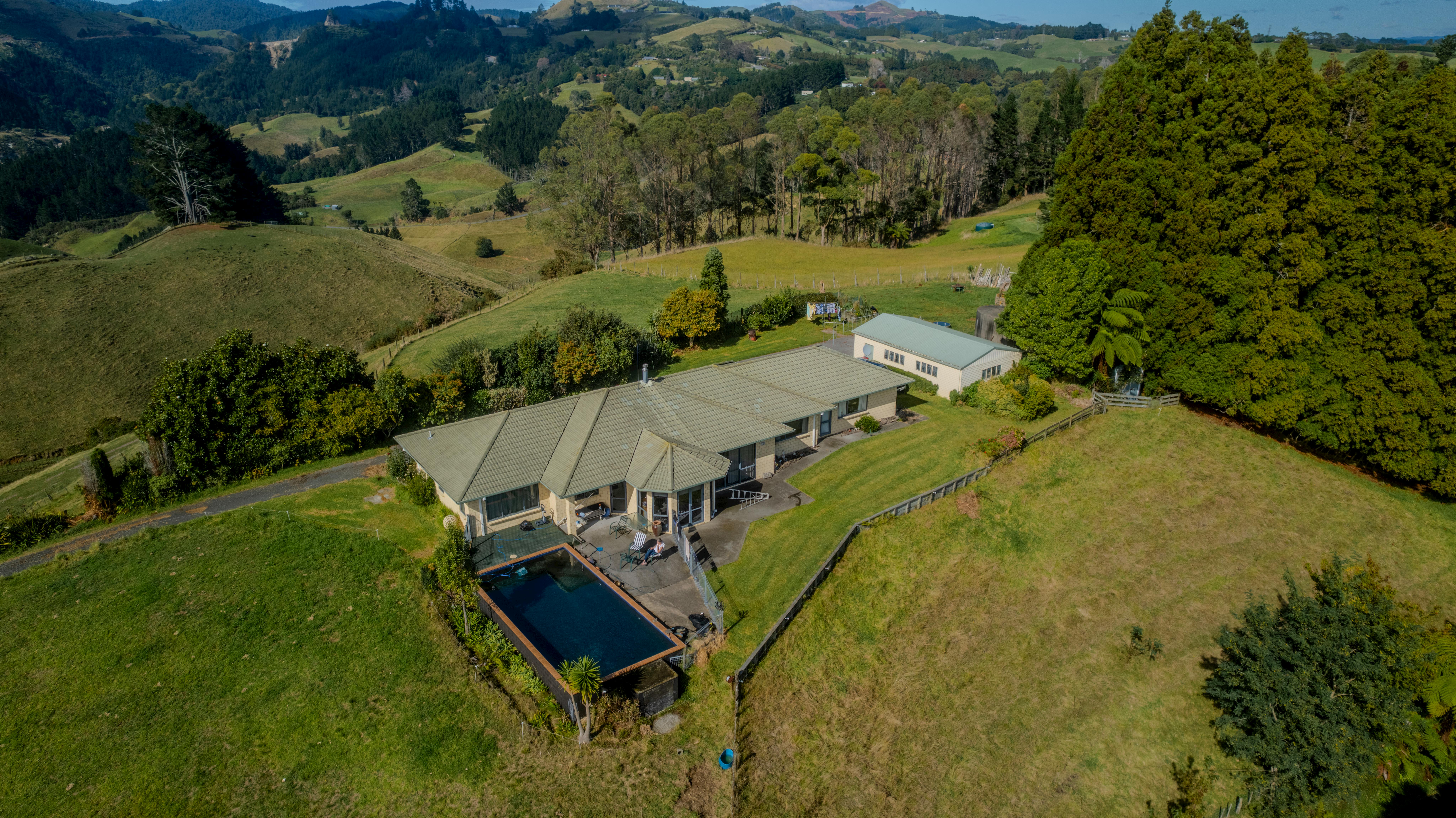
Many rural lifestyle properties feature unique attributes and often require regional comparisons.
We recently valued a $5m+ rural lifestyle property near the picturesque town of Daylesford, Victoria. The prestige property, which is on more than 30 ha, features an architecturally designed and well-appointed home with large indoor and outdoor living areas, four bedrooms and three bathrooms. The property also has sheds and farming improvements.
As there have not been many comparable prestige sales in the immediate area in the past year, we went further back in time to look at the history of comparable local sales. We also extended our geographic range to consider similar regions that have seen recent sales of properties of comparable land size and home styles. In this case, we extended our analysis across the Hepburn Shire and the Macedon Ranges. We then added appropriate discounts or premiums to reflect the differences in valuations between the areas.
While it was not required for this valuation, we also find having good relationships with local agents is helpful as we often gain off-market data insights that inform our valuations.
Specialist Real Estate

To provide insight on how we value uncommon or irregularly traded specialist real estate, we look at a case study involving the valuation of a leasehold caravan park in Victoria.
In this case, the asset was being valued for mortgage security purposes. The property had short tenure and capital expenditure requirements, and had recently been affected by a significant flood event.
Our valuation process involved accounting for additional risks that any prudent purchaser would consider, particularly the ongoing capital expenditure allowances during the remainer of the short lease, and the potential for business and cash flow interruption given the property’s location in an area that is both prone to flooding and bush fire risks.
To further inform this valuation, we undertook targeted analysis of comparable recent sales of similar assets exhibiting comparable tenure profiles and operational risk characteristics. Leveraging Opteon’s extensive proprietary database of specialist asset transactions, this enabled us to benchmark market responses to the very risks identified above, ensuring our assessment was both evidence-based and reflective of current investor sentiment. This depth of analysis underpins our ability to provide considered, defensible valuations in complex and irregularly traded asset classes.

Gabriel Carreno
Director - Residential Prestige
gabriel.carreno@opteonsolutions.com

Nicole Bevilacqua
Regional Director & Head of National Graduate Program
nicole.bevilacqua@opteonsolutions.com

Ryan Danaher
Head of Alternate Investments
ryan.danaher@opteonsolutions.com
Subscribe to Receive the Latest Property Insights!
DISCLAIMER
This article is produced by Opteon Property Group Pty Ltd. It is intended to provide general information in summary form on valuation related topics, current at the time of first publication. The contents do not constitute advice and should not be relied upon as such. Formal advice should be sought in particular matters. Opteon’s valuers are qualified, experienced and certified to provide market value valuations of your property. Opteon does not provide accounting, specialist tax or financial advice.
Liability limited by a scheme approved under Professional Standards


.png?width=800&name=Client%20&%20Customer%20Meeting%20(12).png)



.png?width=800&name=SPECIALIST%20FOCUS%20SERIES%20TEMPLATE%20FULL%20IMAGE%20%20(1).png)